De sneeuwklokjes staan weer in bloei. Zoals ieder jaar tussen midden februari en begin maart.
| Wist je dat: 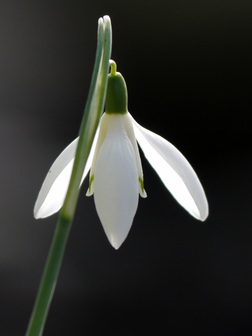 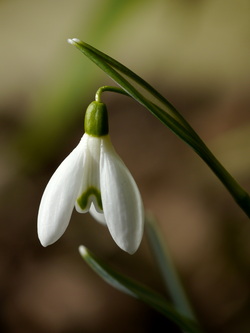 |
|
Ik had geen idee. Maar nu ben ik op de hoogte.
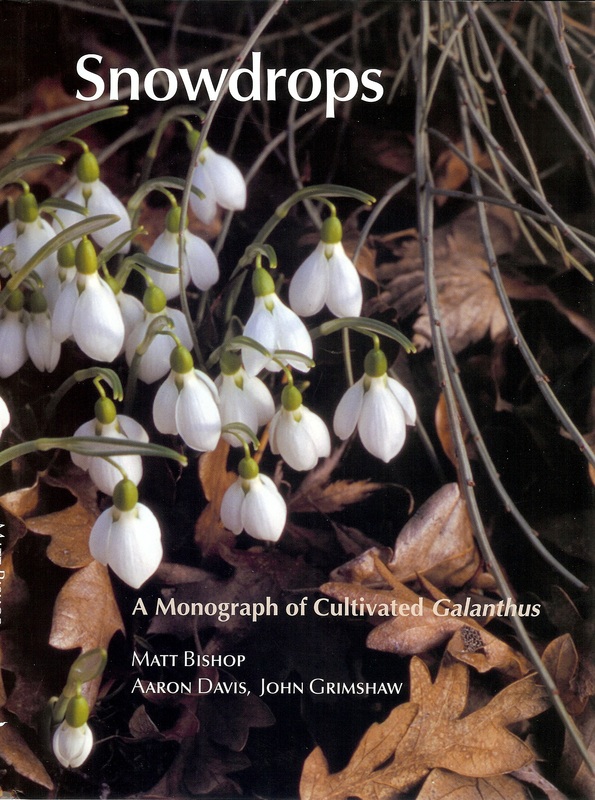
Dank zij het boek ‘Snowdrops A Monograph of Cultivated Galanthus’, door Matt Bishop, Aaron Davis en John Grimshaw.
Het was de bedoeling van de auteurs dat het boek kon dienen als een betrouwbaar naslagwerk voor tuiniers die sneeuwklokjes wilden identificeren. Daarnaast wilden ze de feiten over de oorsprong van iedere cultivar zo nauwkeurig mogelijk vastleggen. Wat mij betreft zijn ze daarin geslaagd.
Het was de bedoeling van de auteurs dat het boek kon dienen als een betrouwbaar naslagwerk voor tuiniers die sneeuwklokjes wilden identificeren. Daarnaast wilden ze de feiten over de oorsprong van iedere cultivar zo nauwkeurig mogelijk vastleggen. Wat mij betreft zijn ze daarin geslaagd.
In het eerste hoofdstuk worden alle onderdelen van het sneeuwklokje met behulp van mooie duidelijke tekeningen geïllustreerd. Aan de hand daarvan en met behulp van de duidelijke beschrijvingen en de mooie foto’s van de verschillende sneeuwklokjes in de volgende hoofdstukken, is identificatie goed mogelijk.
In hoofdstuk 4 t/m 9 worden alle cultivars beschreven. Het is interessant om te lezen waar de cultivars vandaan komen en waar ze hun naam aan te danken hebben. Ik heb niet alle beschrijvingen gelezen. Het zijn er teveel. Maar de volgende keer dat ik van plan ben om sneeuwklokjes te kopen, zal ik zeker eerst dit boek raadplegen.
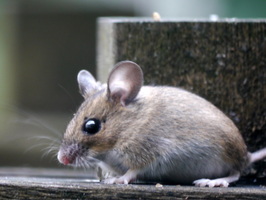
Hoofdstuk 10 gaat over het kweken van sneeuwklokjes. Heel duidelijk wordt beschreven hoe sneeuwklokjes kunnen worden vermeerderd door twin-scaling, door zaaien, of door deling (iedere twee jaar, zodra de bladeren afsterven, opgraven en herplanten). Daarnaast behandelt dit hoofdstuk plagen en ziektes waaraan sneeuwklokjes kunnen lijden, zoals slakken, larven van de narcissenvlieg, mensen, virussen en andere enge dingen. Sneeuwklokjes schijnen minder last van muizen te hebben dan andere bolgewassen.
In hoofdstuk 4 t/m 9 worden alle cultivars beschreven. Het is interessant om te lezen waar de cultivars vandaan komen en waar ze hun naam aan te danken hebben. Ik heb niet alle beschrijvingen gelezen. Het zijn er teveel. Maar de volgende keer dat ik van plan ben om sneeuwklokjes te kopen, zal ik zeker eerst dit boek raadplegen.
Hoofdstuk 10 gaat over het kweken van sneeuwklokjes. Heel duidelijk wordt beschreven hoe sneeuwklokjes kunnen worden vermeerderd door twin-scaling, door zaaien, of door deling (iedere twee jaar, zodra de bladeren afsterven, opgraven en herplanten). Daarnaast behandelt dit hoofdstuk plagen en ziektes waaraan sneeuwklokjes kunnen lijden, zoals slakken, larven van de narcissenvlieg, mensen, virussen en andere enge dingen. Sneeuwklokjes schijnen minder last van muizen te hebben dan andere bolgewassen.
Hoofdstuk 11 vertelt over bekende, overleden galanthofielen en hoofdstuk 12 over het behoud van sneeuwklokjes en hun natuurlijke omgeving. Omdat sneeuwklokjes zo populair zijn, worden er miljoenen bloembollen per jaar uit de natuur gehaald, zowel legaal als illegaal.
Tenslotte bevat het boek ook een opsomming van bedrijven over de hele wereld die sneeuwklokjes verkopen en ook een woordenlijst.
De laatste druk van het boek is uit 2006. Ondertussen zijn er heel veel nieuwe cultivars bijgekomen. In 2012 komt er waarschijnlijk een nieuwe druk met nog meer cultivars. Voor de ware galanthofiel.
Tenslotte bevat het boek ook een opsomming van bedrijven over de hele wereld die sneeuwklokjes verkopen en ook een woordenlijst.
De laatste druk van het boek is uit 2006. Ondertussen zijn er heel veel nieuwe cultivars bijgekomen. In 2012 komt er waarschijnlijk een nieuwe druk met nog meer cultivars. Voor de ware galanthofiel.
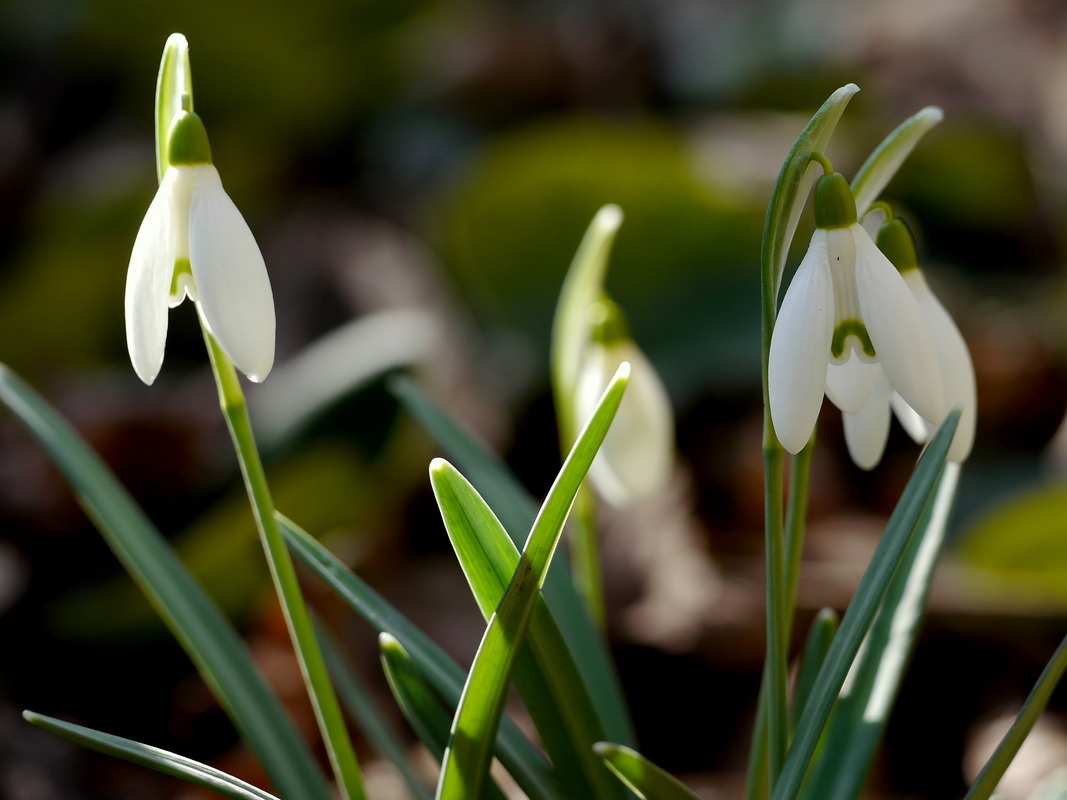
Ik ben geen galanthofiel. Maar ik ben wel blij dat overal die kleine witte bloempjes bloeien, in deze tijd dat het buiten overal kaal en koud is. En ik ben blij dat ik dit boek gekocht heb. Het vertelt alles wat ik ooit over sneeuwklokjes had willen weten. Ik wou dat er ook een boek als dit was over Hepaticas...
NB: Voor andere tuinboeken besprekingen, verwijs ik naar de meme van Roses and Other Gardening Joys.
NB: Voor andere tuinboeken besprekingen, verwijs ik naar de meme van Roses and Other Gardening Joys.